香江底片記憶:本地幻燈正片與 Eastman 的傳奇軌跡 | HK Phantasm
探索香港早期幻燈片製作的歷史,揭開攝影先驅為何選用 Eastman 底片及其背後的傳奇故事與挑戰。
歲月沉澱的紅調:1960年代本地遊客紀念幻燈片與 Eastman 負片的傳奇交織
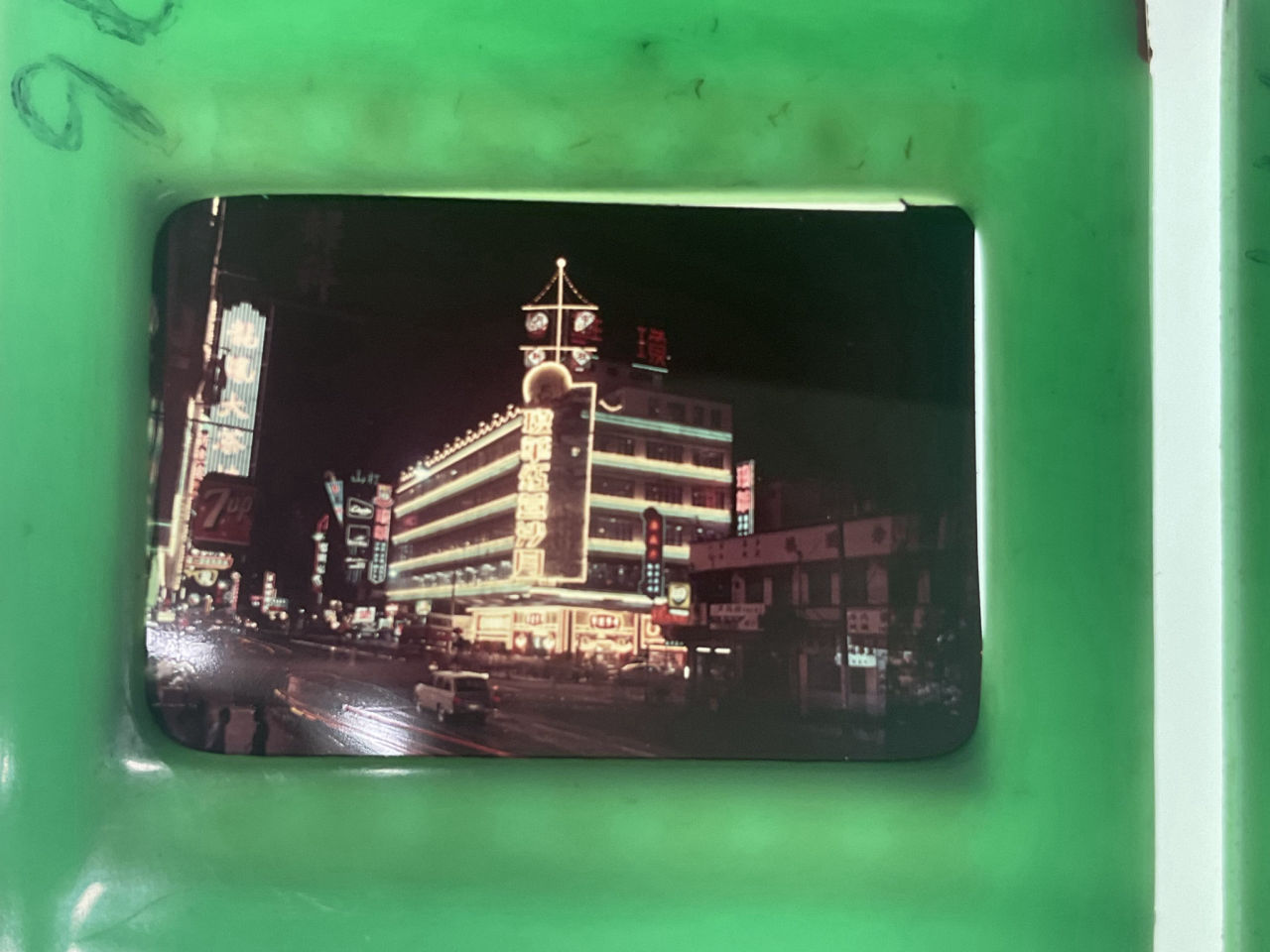
在1960年代,隨著航空業的發展,全球旅遊業迎來了黃金時代。對於當時的旅客來說,相機並未完全普及,除了購買明信片,在當地的紀念品店買一小盒「遊客紀念幻燈片(Tourist Souvenir Slides)」回家,用幻燈機投射在客廳牆上與親友分享,是最時髦且具沉浸感的旅遊紀錄。而在這些本地大量生產的幻燈片背後,Eastman(伊士曼柯達)的底片技術與商業軌跡,扮演了至關重要的角色。
🎞️ 巧妙的量產魔法:電影底片工藝與遊客幻燈片的結合
許多底片玩家可能會疑惑:幻燈片不是應該用「幻燈正片(Reversal Film,如昂貴的 Kodachrome)」來拍攝嗎?
確實,直接用正片拍攝的畫質最好,但在 1960 年代的本地紀念品市場,「成本」與「大量複製」 是首要考量。如果每一張販售的幻燈片都要用昂貴的正片翻拍或個別沖洗,成本將會高得嚇人。為了解決這個問題,生產商巧妙地借用了電影工業的流水線技術,將 Eastman 底片系統發揮得淋漓盡致:
引入電影負片工藝 (Internegative Process): 為了保留最佳畫質同時兼顧量產,攝影師通常會先用頂級的正片拍攝高畫質的原始母片。接著,廠商會將這些母片翻拍至 Eastman Color 電影負片 上,製作出一條包含所有風景名勝畫面的「中間負片」(Internegative)。這一步是將靜態攝影轉化為工業化生產的關鍵樞紐。
高速大量印製 (High-Speed Printing): 有了中間負片後,接下來的流程就宛如印製電影拷貝一般。技師會將這條 Eastman Color 負片放入專業的光學印片機中,透過濾色片進行精準的色彩補償,隨後以極快的速度連續曝光,將影像大量印製到極為廉價的 電影印片正片(Print Film) 上。這種做法打破了正片難以廉價複製的壁壘,將單張幻燈片的成本壓至最低。
連續沖洗與裝裱 (Processing & Mounting): 曝光後的底片不再依賴小型相館,而是直接送入大型的電影連續沖洗機,以標準的電影底片化學工藝進行高效率顯影。沖洗完成的底片會被逐格裁切,並由機器或人工壓入預先印好地點標籤的厚紙皮(或塑膠)邊框中。最終,這一盒盒色彩斑斕的旅遊記憶,會被大量批發至尖沙咀或中環等旅遊熱點的紀念品店,等待外國遊客將本地的美麗風光帶回世界各地。
Eastman 的這套系統,讓本地旅遊幻燈片得以規模化生產,這不僅是商業上的巨大成功,更是 Eastman 在影像大眾化軌跡上極具代表性的一頁。
⚠️ 時間的殘酷考驗:Eastman 底片的致命缺點
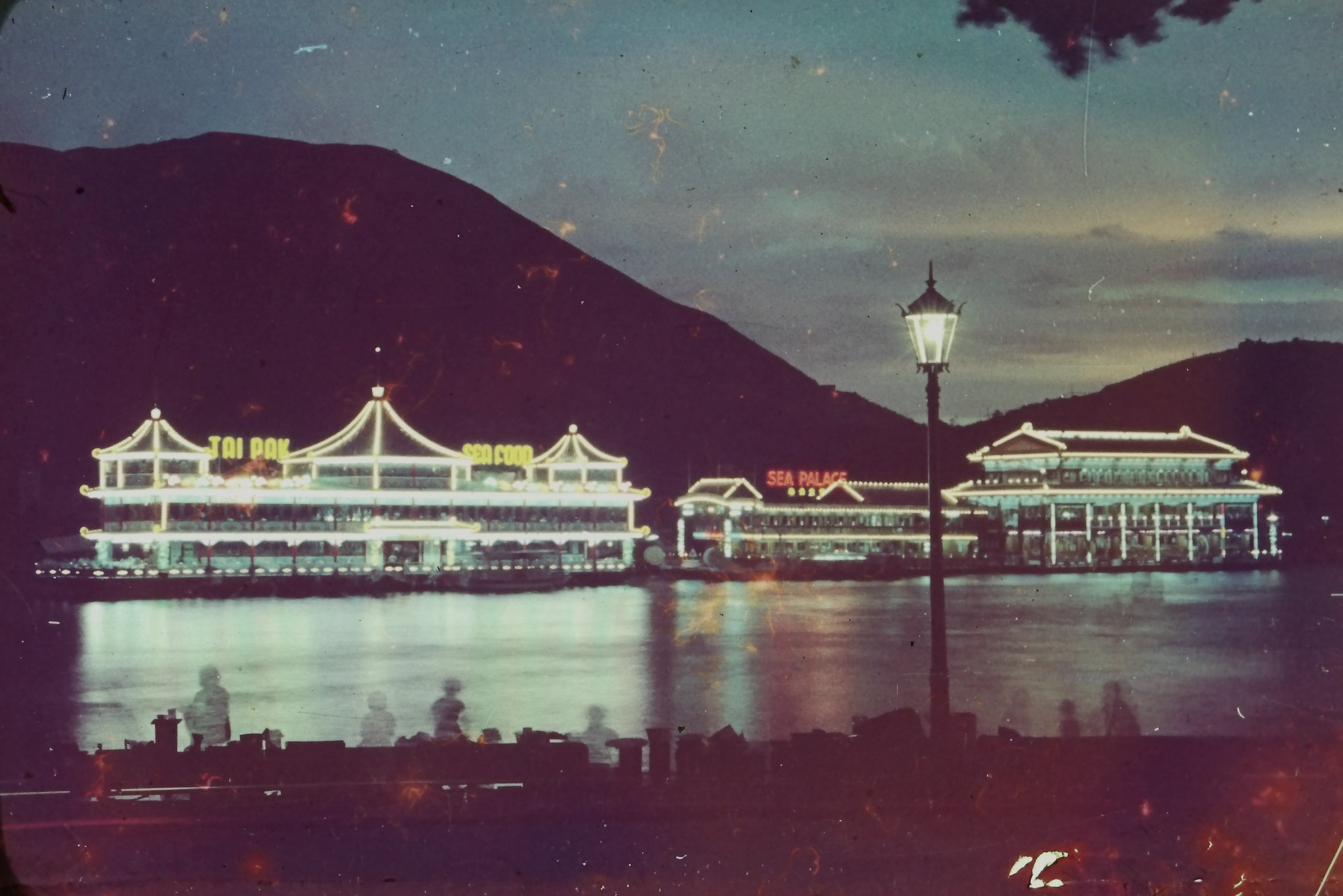
然而,Eastman 這套針對量產與電影拷貝開發的技術,雖然在當時取得了巨大的商業成功,卻經不起時間的長期考驗。如果你現在去二手市場收購 1960 年代的遊客幻燈片,幾乎都會發現 Eastman 底片以下幾個著名的「缺點」:
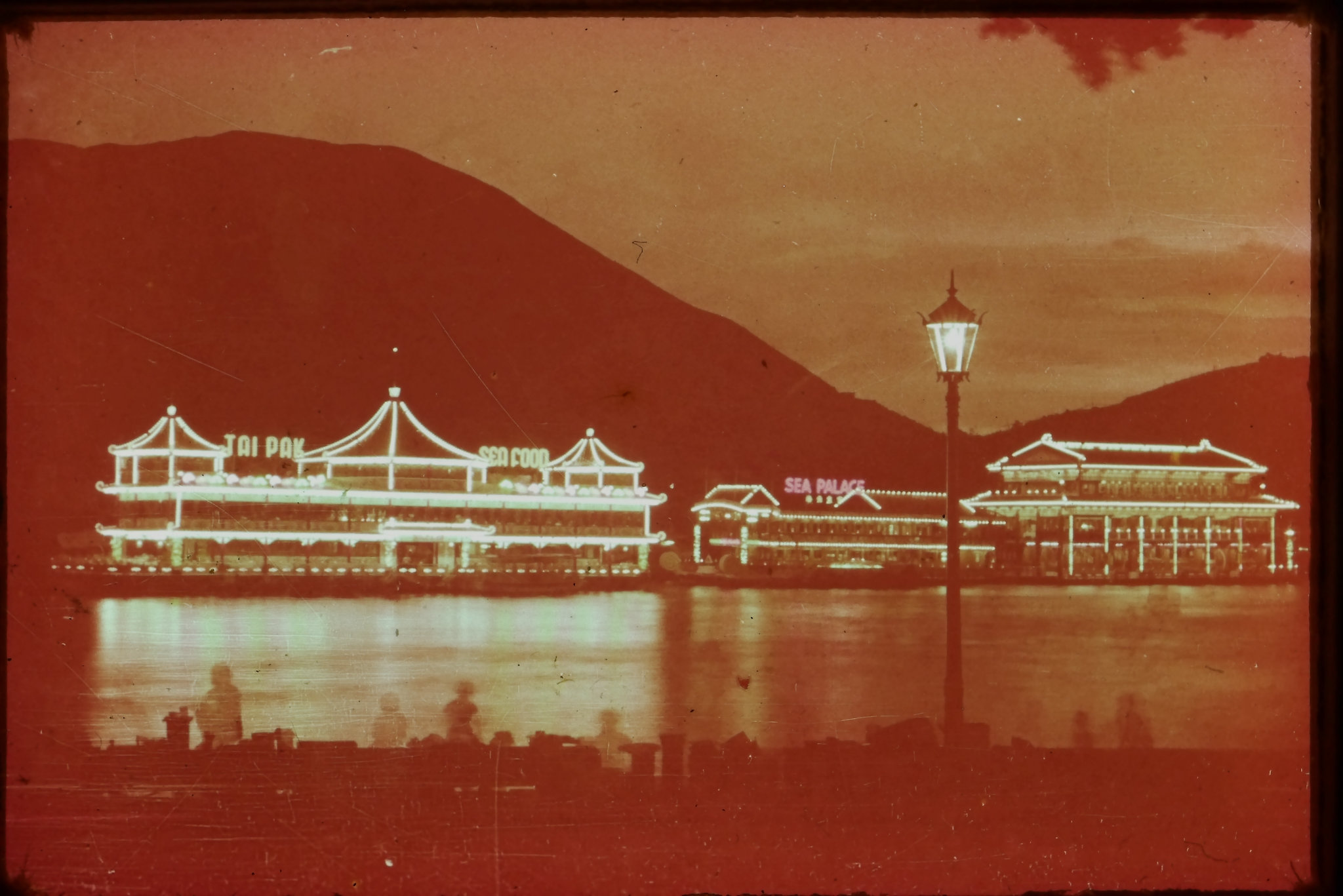
嚴重的褪色與「紅移」現象(Magenta Shift / Eastmancolor Fading): 這是 Eastman 早期彩色底片最惡名昭彰的缺陷。由於其染料配方的化學穩定性不足,在經歷幾十年的歲月後,底片中的青色(Cyan)和黃色(Yellow)染料會迅速分解流失,唯獨洋紅(Magenta)染料異常頑強地保留了下來。因此,現今我們看到的 60 年代 Eastman 遊客幻燈片,天空不再湛藍,樹木不再翠綠,整個畫面幾乎都褪成了一片詭異且濃烈的偏紅色。
醋酸綜合症(Vinegar Syndrome): 當時的底片片基多採用醋酸纖維素。在潮濕悶熱的環境下(尤其在亞洲地區),片基會發生化學降解,散發出刺鼻的酸味(類似白醋味)。這會導致底片收縮、起泡、捲曲,最終讓珍貴的影像完全毀損,無法修復。
畫質與反差的折損: 透過「負片翻印到正片」的二次曝光過程,比起直接用高階幻燈正片拍攝,其畫面的銳利度、色彩過渡的細膩度都會有所打折,顆粒感也相對明顯。
結語
1960 年代的遊客幻燈片,是 Eastman 商業傳奇中的一個有趣切面。它展示了負片技術如何促成影像的廉價量產,卻也赤裸裸地展現了早期化學染料在時間面前的脆弱。
如今,當我們試圖搶救並數位化這些記錄著昔日維多利亞港或彌敦道繁華街景的透明正片時,最大的挑戰便在於如何堅守嚴格的影像保留準則——拒絕依賴任何生成式像素或內容感知的美化,僅透過純粹且精準的色彩校正來挽回真實色調,同時完整保留原始的底片顆粒與構圖。那一片片褪色的「紅調」幻燈片,雖然失去了真實的色彩,卻意外地為那個逝去的黃金年代,披上了一層無可取代的復古與浪漫濾鏡。
📝 English Summary
The Red-Tinted Memories: 1960s Tourist Souvenir Slides and the Legacy of Eastman Film
In the 1960s, locally produced souvenir slides were the ultimate travel keepsake. However, mass-producing these using premium direct-reversal films (like Kodachrome) was far too expensive. To bypass this, local manufacturers ingeniously adapted Eastman Kodak's motion picture workflows to scale up production cost-effectively:
The Internegative Process: High-quality master slides were duplicated onto Eastman Color cinema negatives to create a master "internegative."
High-Speed Printing: Operating just like movie duplication, these internegatives were run through optical printers, rapidly exposing the scenic images onto incredibly cheap cinema Print Film.
Industrial Processing & Mounting: The film was developed in massive, continuous motion-picture processors, cut, mounted, and shipped wholesale to bustling souvenir shops in tourist hubs like Tsim Sha Tsui and Central.
The Test of Time: A Fading Legacy
While this cinema-style workflow was a commercial triumph for mass production, early Eastman films harbored fatal chemical flaws. Over the decades, they fell victim to the notorious "magenta shift" (Eastmancolor fading)—where cyan and yellow dyes degrade completely, leaving behind a heavy, unnatural red tint. Furthermore, many of these slides suffer from "vinegar syndrome," a corrosive chemical degradation of the acetate base, alongside a noticeable loss of image sharpness due to the secondary exposure process.
Today, these faded, reddish slides have lost their true-to-life colors. Yet, they remain fascinating historical artifacts, casting a uniquely romantic and nostalgic red filter over the golden age of Hong Kong travel and the evolutionary trajectory of Kodak's imaging empire.